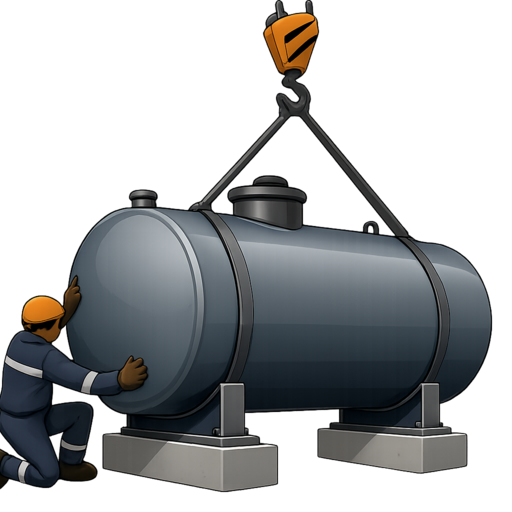

We provide professional oil tank installation services in Cincinnati, OH for aging, leaking, or undersized fuel tanks that require replacement or new system setup. Installation places and connects aboveground or underground tanks with proper fuel lines and containment to provide safe fuel storage and reliable operation. Request a quote today.
What Is the Difference Between Above-Ground and Underground Oil Tank Installation?
Above-ground oil tanks are easier to access and maintain, while underground tanks save space and keep the system hidden. Installation choice usually depends on property layout, local regulations, and available yard space.
How Do Older Neighborhoods Influence Oil Tank Installation Around Cincinnati?
Historic housing stock and long heating seasons keep fuel oil systems present in some parts of the Cincinnati area. Neighborhoods near the Ohio River hillsides and residential sections extending into Hamilton County occasionally retain older fuel infrastructure. Oil tank installation helps support reliable heating storage.
Where Should an Oil Tank Be Installed on a Property?
Oil tanks must be installed on stable, level surfaces with proper clearance from buildings, ignition sources, and property lines. Placement rules vary by location and help prevent leaks, fire risks, and access problems during servicing.
Can a New Oil Tank Be Installed Without Replacing Existing Fuel Lines?
Yes, existing fuel lines can sometimes be reused if they are in good condition and meet current code requirements. Damaged, corroded, or undersized lines are typically replaced to avoid leaks and fuel delivery issues.
What Type of Base Is Required for Oil Tank Installation?
Oil tanks are usually installed on concrete pads, compacted gravel bases, or engineered supports depending on tank size and location. A stable base prevents shifting, uneven settling, and stress on fuel connections.
How Long Does a Residential Oil Tank Installation Take?
Most residential oil tank installations are completed within one day when site preparation and permits are already in place. Additional work like line replacement, excavation, or old tank removal can extend the timeline.
When Should an Old Oil Tank Be Replaced Instead of Relocated?
Oil tanks should usually be replaced instead of relocated when they show corrosion, seepage, structural damage, or advanced age. Moving a deteriorated tank can increase the risk of leaks and system failure.
How Much Does Oil Tank Installation Cost in Cincinnati, OH?
Oil tank installation costs in Cincinnati, OH typically range between $3,633 and $10,790, with typical pricing depending on tank size and capacity, above-ground versus underground installation, site access, excavation requirements, and the extent of fuel line or system connections required. Pricing can also vary based on tank material selection, permitting and code compliance requirements, soil conditions, environmental protections, and whether removal of an existing tank is included.